Indoor plants are more than just décor; they improve air quality, boost mood, and create a calming oasis in any room. Whether you’re a beginner or a seasoned green‑thumb, mastering the basics of plant selection, placement, watering, and maintenance will set you up for success. Below is a data‑driven, step‑by‑step guide that blends proven horticultural practices with practical tools and fun DIY projects, ensuring your indoor garden thrives year‑round.
1. Choose the Right Plant for Your Space
Research shows that matching a plant’s light, humidity, and temperature needs to your home environment increases survival rates by up to 70 %.
Assess Light Levels
- Low light (≤ 50 lux): Snake plant, ZZ plant, pothos.
- Medium light (50‑200 lux): Spider plant, peace lily, philodendron.
- Bright indirect (200‑500 lux): Monstera, fiddle‑leaf fig, rubber plant.
Use a cheap smartphone light meter app or a handheld lux meter to measure the exact intensity where you plan to place the plant.
Consider Humidity & Temperature
- Most tropical foliage thrives at 60‑80 % relative humidity. If your home is dry (common in winter), choose low‑humidity tolerant plants like succulents or add a humidifier.
- Keep temperature swings under 10 °F (5 °C). Drafty windows or heating vents can stress roots.
2. Prepare the Growing Environment
Creating a stable micro‑climate reduces stress and encourages vigorous growth.
Potting Mix Selection
- All‑purpose indoor mix: 40 % peat moss, 30 % perlite, 30 % composted bark.
- Succulent & cactus mix: 70 % coarse sand, 20 % pumice, 10 % organic matter.
- Test drainage by filling a pot with mix, watering, and timing how long it takes to empty. Ideal drainage: 2‑3 minutes.
Pot & Drainage
- Choose pots with at least one ¼‑inch drainage hole.
- Place a pot saucer underneath, but never let the pot sit in standing water for more than 5 minutes.
- For aesthetic appeal, line the saucer with decorative stones or a reusable silicone mat.
3. Master Watering Techniques
Over‑watering is the #1 cause of indoor plant failure (accounting for ~45 % of deaths). Follow these data‑backed steps to water correctly.
Check Soil Moisture
- Insert a soil moisture meter 2‑3 inches deep. Aim for 30‑40 % moisture for most foliage plants, 10‑15 % for succulents.
- Alternatively, use the “finger test”: press your fingertip 2 inches into the soil; if it feels dry, water.
Watering Method
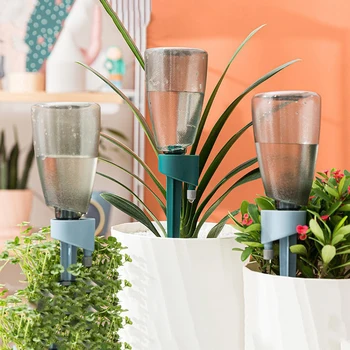
- Fill a watering can with room‑temperature water (avoid chlorinated tap water; let it sit 24 hours if possible).
- Water slowly until you see water exit the drainage holes.
- Allow excess water to drain for 2‑3 minutes, then empty the saucer.
Seasonal Adjustments
- Reduce frequency by 30‑50 % during winter months when growth slows.
- Increase by 10‑20 % in summer if indoor humidity drops below 40 %.
4. Feeding & Fertilizing
Balanced nutrition promotes leaf color, size, and overall vigor.
Choose the Right Fertilizer
- All‑purpose 20‑20‑20 (N‑P‑K) water‑soluble: Use at ¼ strength every 4‑6 weeks.
- Slow‑release granular (e.g., 14‑14‑14): Mix into potting soil at a rate of 1 tsp per gallon of mix; lasts 2‑3 months.
- For foliage plants, add a micronutrient boost (iron, magnesium) if yellowing occurs.
Application Tips
- Water the plant first, then apply fertilizer to avoid root burn.
- Never fertilize dormant plants (e.g., during a winter rest period).
5. Light Management & Supplemental Lighting
When natural light is insufficient, LED grow lights can fill the gap.
Selecting LED Grow Lights
- Look for a full‑spectrum LED with a PPFD (photosynthetic photon flux density) of 100‑200 µmol m⁻² s⁻¹ for foliage plants.
- Position the light 12‑18 inches above the canopy; adjust distance based on leaf color (yellowing indicates too much intensity).
Lighting Schedule
- Provide 12‑14 hours of light per day for most indoor foliage.
- Use a timer to maintain consistency and reduce energy waste.
6. Pruning, Grooming, and Pest Management
Pruning Basics
- Trim dead or yellowing leaves at the base with clean, sharp scissors.
- Pinch back new growth on fast‑growing plants (e.g., pothos) to encourage bushier habit.
- Remove spent flower spikes to redirect energy to foliage.
Integrated Pest Management (IPM)
- Inspect leaves weekly for spider mites, aphids, or mealybugs.
- Use a soft spray bottle to rinse pests off, or apply neem oil (1 tsp per quart of water) every 7‑10 days.
- Introduce beneficial insects like hypoaspis mites in larger indoor setups.
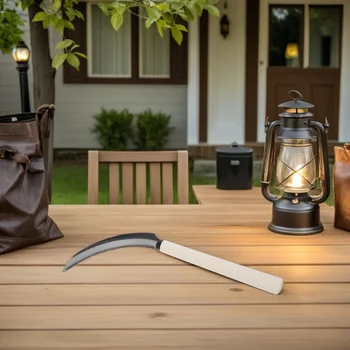
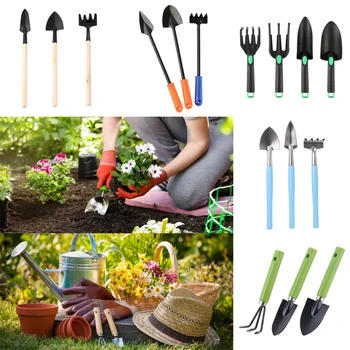
7. Must‑Have Gardening Tools for Indoor Success
Investing in a few high‑quality tools saves time and reduces plant stress.
- Adjustable watering can with long spout: Reaches tight corners without splashing.
- Soil moisture meter: Provides objective data for watering decisions.
- Pruning shears (bypass style): Clean cuts prevent disease entry.
- Mini hand trowel & scoop: Ideal for repotting and mixing soil.
- LED grow light with timer: Consistent supplemental lighting.
- Reusable silicone plant mat: Protects surfaces and simplifies cleanup.
8. Creative DIY Projects to Make Your Indoor Garden Fun & Functional
DIY Macramé Hanging Planters
- Gather 3 mm cotton rope, a wooden dowel, and a small pot (4‑6 inches).
- Cut four 4‑foot lengths of rope; fold each in half and attach to the dowel using a lark’s head knot.
- Follow a basic square knot pattern, spacing knots every 2 inches, until you reach the pot’s rim.
- Thread the pot’s drainage holes through the rope loops, tighten, and trim excess rope.
Result: A stylish hanging garden that frees floor space and adds visual interest.
Upcycled Light‑Shelf Terrarium
- Use an old picture frame with a glass front as the container.
- Line the bottom with a layer of activated charcoal, then a thin layer of sphagnum moss for moisture retention.
- Add a small succulent or air‑plant, and finish with decorative stones.
- Mount the frame on a wall near a north‑facing window for indirect light.
Smart Moisture‑Alert System
- Purchase a low‑cost Bluetooth soil sensor (e.g., Xiaomi or Xiaomi‑compatible).
- Place the sensor in the pot’s soil, pair with a phone app.
- Set alerts for when moisture drops below 30 % (or your plant’s specific threshold).
- Combine with a smart plug to automate LED lighting based on sensor data.
This tech‑savvy setup reduces guesswork and keeps plants consistently happy.
9. Routine Checklist for Ongoing Success
Consistency is key. Use this weekly checklist to stay on track:
- ☑︎ Inspect leaves for pests or discoloration.
- ☑︎ Test soil moisture and water if needed.
- ☑︎ Rotate pots 90° to ensure even light exposure.
- ☑︎ Clean dust from foliage with a soft damp cloth.
- ☑︎ Prune any dead growth.
- ☑︎ Log fertilization dates to avoid over‑feeding.
10. Final Thoughts
By grounding your indoor garden in data—light measurements, moisture percentages, and seasonal adjustments—you turn a decorative hobby into a reliable, thriving ecosystem. Pair these science‑backed practices with the right tools and a sprinkle of DIY creativity, and you’ll enjoy healthier plants, fresher air, and a more beautiful home all year long.