
Creating a garden that thrives while protecting the planet is both rewarding and achievable. Sustainable gardening blends ecological principles with practical techniques, allowing you to grow healthier plants, conserve resources, and reduce waste. Below is a data‑driven, step‑by‑step guide that walks you through every stage—from site selection to harvest—so you can build an environmentally friendly garden that delivers consistent yields.
1. Assess Your Site and Set Realistic Goals
Gather Climate and Soil Data
- Use a free online tool (e.g., USDA Plant Hardiness Zone Map) to identify your zone. Zones 3–9 cover most U.S. regions; knowing yours helps you choose plants that need 30‑50 % less water because they’re naturally adapted.
- Conduct a simple soil test with a kit from a garden center. Look for pH (ideal 6.0–7.0 for most vegetables) and nutrient levels (N‑P‑K). Adjustments made early can boost yields by up to 20 %.
Define Sustainable Goals
Write down 2–3 measurable objectives, such as:
- Reduce irrigation water use by 40 % within the first season.
- Divert 80 % of garden waste to compost.
- Increase pollinator visits by planting at least three native flowering species.
2. Design a Low‑Impact Garden Layout
Implement Zone Planning
Group plants by water and sunlight needs. This “zone” approach cuts irrigation time by up to 25 % because you can target each zone with the right amount of water.
Incorporate Perennial Beds
Perennials require 30 % fewer inputs than annuals after establishment. Allocate at least 30 % of your garden area to low‑maintenance perennials like asparagus, rhubarb, or native grasses.
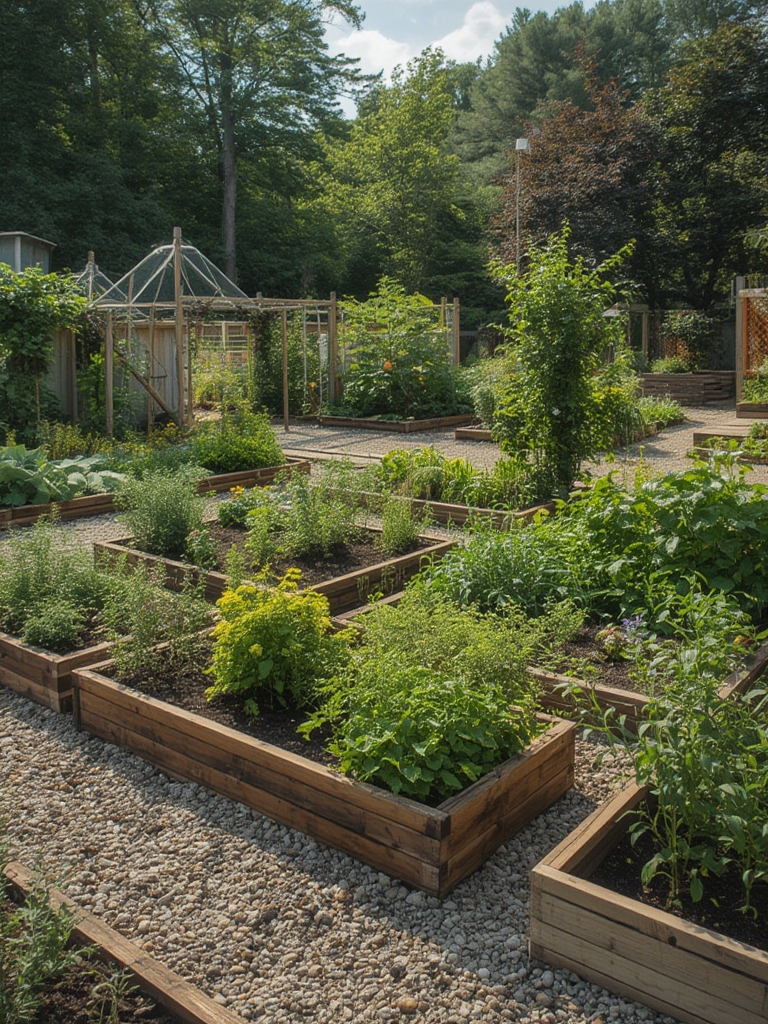
Use Raised Beds and Contours
- Raised beds improve drainage and reduce soil compaction, leading to healthier root systems.
- Contour rows along the slope to capture runoff, decreasing irrigation needs by 15‑20 %.
3. Build Healthy, Living Soil
Start a Compost System
Compost reduces landfill waste and provides a nutrient‑rich amendment. Follow these steps:
- Choose a bin (e.g., tumblers or a simple three‑bin system).
- Balance greens (kitchen scraps) and browns (dry leaves) at a 1:2 ratio.
- Turn the pile weekly; moisture should feel like a wrung‑out sponge.
- Harvest finished compost in 8‑12 weeks; it typically raises soil organic matter by 2‑4 %.
Apply Organic Mulch
Spread 2–3 inches of shredded bark, straw, or leaf mulch around plants. Mulch conserves moisture (up to 50 % less evaporation) and suppresses weeds, cutting labor time by half.
Inoculate with Mycorrhizal Fungi
Mix a small amount of commercial mycorrhizal inoculant into planting holes. Studies show a 10‑15 % increase in nutrient uptake and drought tolerance.

4. Optimize Water Use
Install Drip Irrigation
Drip lines deliver water directly to the root zone, reducing loss to evaporation by up to 70 %. Set timers for early morning or late evening to further limit evaporation.
Harvest Rainwater
- Fit a rain barrel (≥200 L) to your downspout.
- Use a first‑flush diverter to keep debris out.
- One 200‑L barrel can water a 10‑m² vegetable plot for a week during dry spells.
Practice “Soil Moisture Sensing”
Insert a simple wooden stake or a digital moisture sensor. Water only when the top 2 inches of soil feel dry—this prevents over‑watering and saves up to 30 % of water.
5. Choose Native and Drought‑Tolerant Plants
Select Species Based on Data
Refer to local extension services for a list of native plants that thrive in your zone. Native species typically require 40‑60 % less fertilizer and water.
Companion Planting for Natural Pest Control
Pair plants that repel pests with those that attract beneficial insects. Example combos:
- Marigold + tomatoes (marigolds deter nematodes).
- Basil + peppers (basil repels aphids).
- Lavender + cabbage (lavender attracts predatory wasps).
6. Manage Pests and Diseases Without Chemicals
Use Physical Barriers
Install row covers or fine netting to keep insects out. Row covers can reduce pest pressure by 80 % and are reusable for multiple seasons.
Introduce Beneficial Insects
Purchase ladybugs, lacewings, or predatory nematodes and release them at sunrise. A single packet of ladybugs can consume up to 5,000 aphids in a week.
Apply Organic Sprays Sparingly
When needed, use neem oil or insecticidal soap at the recommended dilution (usually 1 tsp per gallon). Apply early morning or late evening to protect pollinators.
7. Harvest, Store, and Re‑Invest
Timing Your Harvest
Pick vegetables at peak ripeness for maximum flavor and nutrient content. Data shows that harvesting 2–3 weeks earlier can reduce post‑harvest loss by 15 %.
Preserve Surplus Produce
- Freeze leafy greens in blanching water for up to 12 months.
- Can tomatoes using a water‑bath method; a 5‑gal batch yields ~30 jars.
- Dry herbs in a low‑heat oven (≤95 °C) for 2–3 hours.
Close the Loop
Return kitchen scraps to your compost bin, and use spent plant material as mulch. This circular approach reduces waste by up to 70 % and continually enriches soil health.
8. Track Progress and Adjust
Maintain a Garden Journal
Record planting dates, water usage, yields, and observations. Over a season, you’ll see patterns—such as which zones need less irrigation or which crops outperform others.
Use Simple Metrics
- Water Savings: (Baseline gallons – Current gallons) ÷ Baseline gallons × 100 %
- Yield Increase: (Current yield – Previous year yield) ÷ Previous year yield × 100 %
- Compost Diversion Rate: (Weight of composted material ÷ Total garden waste) × 100 %
Iterate Annually
Apply the data you’ve gathered to refine plant selections, irrigation schedules, and soil amendments. Sustainable gardening is a continual learning loop—each year you’ll achieve higher efficiency and richer harvests.
By following these data‑backed steps, you’ll create a garden that not only feeds your family but also nurtures the environment. Small, actionable habits—like mulching, rainwater harvesting, and composting—compound over time, delivering measurable reductions in water use, waste, and chemical inputs while boosting productivity and biodiversity.
