Creating a garden that thrives while protecting the planet is easier than you think. Sustainable gardening blends traditional horticulture with eco‑friendly practices, allowing you to enjoy fresh produce, vibrant blooms, and a healthier environment. By focusing on soil health, water efficiency, native plant choices, and natural pest control, you can build a resilient garden that reduces waste, conserves resources, and rewards you with bountiful harvests year after year.
1. Prepare Soil the Sustainable Way
Test and Amend Your Soil
Start with a simple soil test (available at most garden centers or through local extension services). Identify pH levels and nutrient deficiencies, then amend with organic matter rather than synthetic fertilizers. Adding well‑rotted compost, leaf mold, or aged manure improves structure, boosts microbial life, and increases water‑holding capacity.

Build a Living Soil Bed
Layer 2–3 inches of compost, followed by a mix of equal parts coconut coir and peat‑free compost. Finish with a thin top layer of native topsoil. This “soil sandwich” encourages earthworms and beneficial fungi, creating a self‑sustaining ecosystem that feeds your plants naturally.
2. Conserve Water with Smart Techniques
Install Drip Irrigation or Soaker Hoses
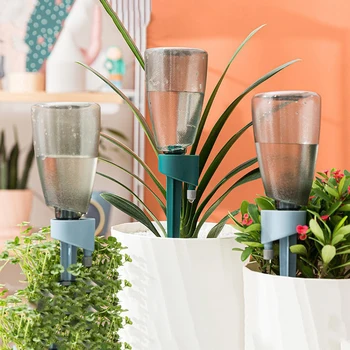
Direct water to the root zone where it’s needed most, reducing evaporation by up to 70 %. Use a timer set to early morning or late evening to further limit water loss. A simple DIY drip system can be assembled with garden hose tubing, emitters, and a pressure regulator.
Mulch for Moisture Retention
Apply a 2–3 inch layer of organic mulch—such as straw, shredded bark, or pine needles—around every plant. Mulch suppresses weeds, moderates soil temperature, and keeps moisture in the ground, cutting watering frequency in half.
3. Choose Native and Drought‑Resistant Plants
Research Local Flora
Native species are already adapted to your climate, soil type, and local pests. They require less water, fertilizer, and maintenance. Use resources like the USDA Plant Hardiness Zone map or local native plant societies to select appropriate varieties.
Companion Plant for Synergy
Pair nitrogen‑fixing legumes (e.g., beans, peas) with heavy feeders (e.g., tomatoes, peppers). This natural nutrient exchange reduces the need for external fertilizers and improves overall plant health.
4. Implement Integrated Pest Management (IPM)
Monitor and Identify Pests Early
Spend a few minutes each week inspecting leaves for signs of insects, disease, or damage. Use a hand lens to identify pests accurately; many “bad” insects are actually beneficial predators.
Employ Physical and Biological Controls
Introduce ladybugs, lacewings, or nematodes to control aphids, caterpillars, and soil‑borne pests. Use row covers, copper tape, or sticky traps as non‑chemical barriers. If you must intervene, opt for neem oil or insecticidal soap—both break down quickly and have minimal impact on pollinators.
5. Harvest, Recycle, and Reuse
Practice Crop Rotation
Rotate plant families each season to prevent soil‑borne diseases and nutrient depletion. A simple three‑year rotation—legumes → leafy greens → fruiting vegetables—keeps the soil balanced and reduces pest buildup.
Compost Garden Waste
Turn spent plant material, kitchen scraps, and fallen leaves into nutrient‑rich compost. A well‑managed compost bin can produce usable compost in 8–12 weeks, closing the nutrient loop and cutting down on landfill waste.
6. Small Actionable Tips for Daily Success
- Water Deeply, Infrequently: Aim for a 1‑inch soak once a week rather than daily shallow watering.
- Use Rain Barrels: Capture rooftop runoff to supplement irrigation, especially during dry spells.
- Plant in Groups: Cluster plants with similar water needs together to avoid over‑ or under‑watering.
- Apply Organic Fertilizers Sparingly: A thin layer of fish emulsion or seaweed extract every 4–6 weeks is enough for most gardens.
- Encourage Wildlife: Install birdhouses, bat boxes, and bee hotels to attract natural pest controllers.
By integrating these steps, you’ll create a garden that not only looks beautiful but also operates in harmony with nature. Sustainable gardening is a continuous learning process—track your results, adjust practices, and share successes with your community. The payoff is a thriving, low‑maintenance oasis that feeds you, supports biodiversity, and safeguards the planet for future generations.