
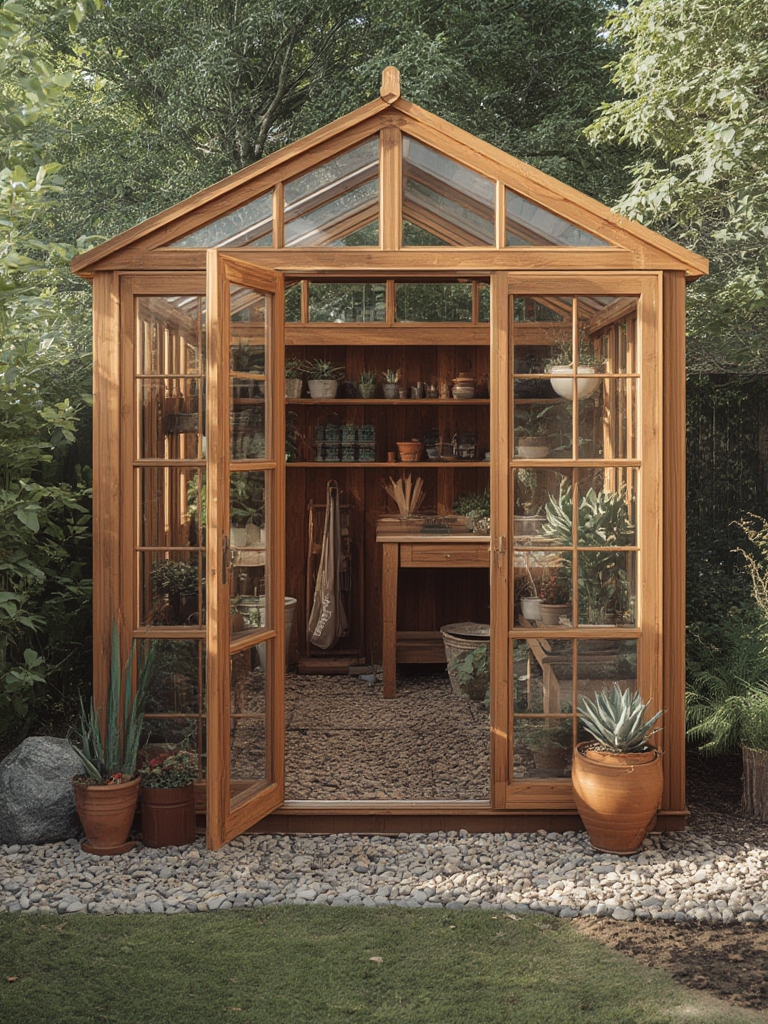
Essential Gardening Tools for Every DIY Enthusiast
Before you dive into planting or building garden projects, arm yourself with the right tools. Quality tools not only make the work easier but also protect your plants from accidental damage.
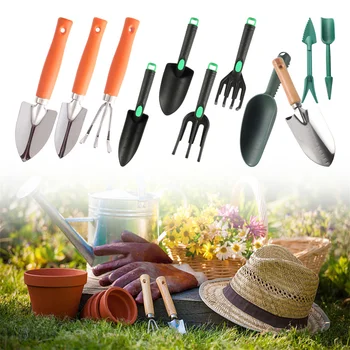
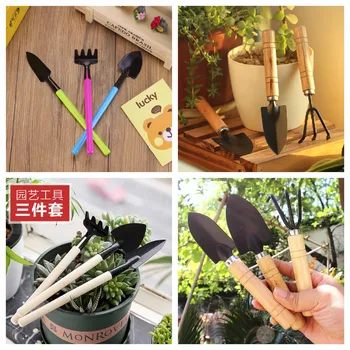
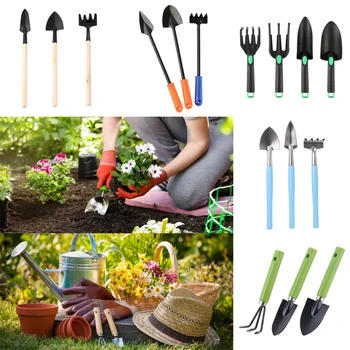
1. Hand Trowel – The All‑Purpose Digging Companion
Why it matters: A sturdy, stainless‑steel trowel with a comfortable grip lets you loosen soil, transplant seedlings, and mix compost without bruising roots.

- Tip: Keep the blade clean after each use; a quick rinse prevents soil‑borne diseases from spreading.
- Trick: Wrap the handle with a rubber grip tape for extra comfort during long sessions.
2. Pruning Shears – Precision Cutting for Healthier Growth
Why it matters: Sharp, bypass‑type shears make clean cuts on stems, reducing stress and encouraging faster healing.
- Tip: Sharpen the blades every 6–8 weeks with a fine‑grade sharpening stone.
- Trick: Store shears in a small zip‑lock bag with a silica packet to avoid rust.
3. Garden Fork & Cultivator – Aerate and Loosen Soil
These tools break up compacted earth, improve drainage, and create a fluffy seedbed for better root penetration.
- Tip: Use a garden fork on dry soil; it penetrates easier and reduces blade wear.
- Trick: Attach a small piece of burlap to the fork’s tines to pull up weeds without tearing the soil.
4. Watering Can with a Rose Head – Gentle, Even Moisture
A rose‑head nozzle mimics gentle rain, preventing soil erosion and leaf splash that can spread disease.
- Tip: Fill the can with lukewarm water; cold water can shock delicate seedlings.
- Trick: Add a pinch of sea salt to the water once a month for a natural fertilizer boost.
Step‑by‑Step Guide: Growing a Thriving Tomato Plant
Tomatoes are a garden favorite because they’re rewarding, versatile, and relatively easy to grow with the right care.
Step 1 – Choose the Right Variety
Pick a determinate (bushy) or indeterminate (vining) type based on your space. Determinate varieties fit small containers, while indeterminate need staking.
- Actionable advice: Look for disease‑resistant labels such as “VF” (Verticillium wilt) or “F1” hybrids.
Step 2 – Prepare the Soil
Tomatoes love a loamy, well‑draining mix with a pH of 6.2–6.8.
- Practical tip: Amend garden beds with 2 inches of compost and 1 cup of bone meal per 10 sq ft for calcium and phosphorus.
- DIY trick: Create a homemade soil test kit using vinegar (to check alkalinity) and baking soda (to check acidity).
Step 3 – Planting the Seedlings
Space seedlings 24–36 inches apart. Bury the stem up to the first set of true leaves to encourage root growth.
- Tip: Add a handful of crushed eggshells at the base for natural pest deterrence.
- Action: Use a small garden trowel to create a planting hole, gently firm the soil, and water thoroughly.
Step 4 – Watering & Mulching
Consistent moisture is key; aim for 1–1.5 inches of water per week.
- Practical tip: Water at the base, not the foliage, to reduce fungal risk.
- DIY project: Make a straw mulch blanket: lay a layer of straw 2–3 inches thick, securing edges with garden twine. It retains moisture and suppresses weeds.
Step 5 – Supporting the Plants
Install stakes or cages when seedlings are 12 inches tall.
- Tool tip: Use a sturdy bamboo stake and tie the stem with soft garden twine in a figure‑eight pattern.
- Creative twist: Paint the stakes with chalkboard paint and label each plant with its variety and planting date.
Step 6 – Feeding & Pruning
Feed every 2–3 weeks with a balanced liquid fertilizer (10‑10‑10) or a tomato‑specific formula.
- Tip: Remove “suckers” (side shoots) on indeterminate vines to direct energy to fruit production.
- Trick: Sprinkle a thin layer of coffee grounds around the base for slow‑release nitrogen.
Step 7 – Harvesting
Pick tomatoes when they reach full color and feel slightly soft to the touch.
- Actionable advice: Use garden shears to cut the fruit with a short stem attached; this reduces bruising.
- Bonus tip: Store harvested tomatoes at room temperature for best flavor; refrigerate only if they’re fully ripe and you need to extend shelf life.
Fun DIY Projects to Boost Garden Creativity
Beyond planting, small DIY projects can transform ordinary garden spaces into inspiring retreats.
1. Upcycled Pallet Herb Garden
Materials: a clean wooden pallet, landscape fabric, potting soil, herb seedlings.
- Lay the pallet flat and secure landscape fabric on the back using a staple gun.
- Fill each slot with potting soil, leaving a ½‑inch gap at the top.
- Plant herbs (basil, mint, thyme) and water gently.
- Mount the pallet on a fence or lean it against a wall for a vertical herb wall.
- Tip: Treat the wood with a non‑toxic sealant to prolong life.
- Creative twist: Paint each pallet board with bright colors and label herbs with hand‑stamped wooden tags.
2. DIY Rain Barrel with a Twist
Collecting rainwater reduces water bills and provides a steady supply for thirsty plants.
- Find a 55‑gallon food‑grade drum and drill a 2‑inch inlet near the top.
- Attach a fine mesh screen to keep debris out.
- Install a spigot at the bottom for easy water access.
- Cover the barrel with a UV‑resistant tarp to prevent algae growth.
- Tip: Add a small float valve to prevent overflow during heavy rain.
- Trick: Paint the barrel with chalkboard paint; use it as a garden planner for planting dates and watering schedules.
3. Mason Jar Seed Starter Kit
Perfect for indoor propagation and a charming decorative element.
- Fill clean mason jars with a seed‑starting mix, leaving 1 inch of space at the top.
- Moisten the soil, plant seeds at the recommended depth, and cover the jar with a clear lid.
- Place jars on a sunny windowsill; mist daily.
- When seedlings develop true leaves, transplant them into the garden using the hand trowel.
- Practical tip: Add a small label on each jar with the seed variety and sowing date.
- Creative idea: Hang the jars from a reclaimed wooden board using brass hooks for a rustic indoor garden display.
4. DIY Garden Path with Recycled Bricks
A simple path guides foot traffic and adds visual interest.
- Lay out a design using a garden hose or string to visualize the route.
- Dig a shallow trench (2‑3 inches deep) and add a layer of sand for leveling.
- Place reclaimed bricks, leaving a ¼‑inch gap for weed control fabric.
- Fill gaps with sand or decorative gravel.
- Tip: Choose bricks with varying shades for a mosaic effect.
- Trick: Sprinkle crushed seashells in the gaps for a subtle sparkle and added drainage.
Putting It All Together: A Weekly Garden Routine
Consistency is the secret sauce for a thriving garden and successful DIY projects.
Monday – Tool Check & Maintenance
Inspect trowels, shears, and forks for rust or dull edges. Sharpen or clean as needed.
Wednesday – Water & Mulch
Water plants at the base, then refresh mulch layers to keep soil cool and moist.
Friday – Project Time
Dedicate 30‑45 minutes to a DIY task: rotate a pallet herb wall, refill a rain barrel, or add new bricks to the path.
Weekend – Harvest & Celebrate
Pick ripe produce, share with friends, and document progress with photos for future blog posts or garden journals.
By pairing the right tools, a clear planting plan, and a handful of fun DIY projects, you’ll transform any garden space into a productive, creative oasis. Happy gardening!