Welcome to your garden inspiration guide! Whether you have a tiny balcony, a suburban backyard, or a sprawling estate, turning any space into a thriving, beautiful garden is within reach. This post walks you through data‑backed, step‑by‑step instructions for growing lavender—a versatile, low‑maintenance plant that adds color, fragrance, and a touch of Mediterranean charm to any design. Along the way, you’ll discover layout ideas, creative planting patterns, and practical tips that ensure success from seed to bloom.
Why Lavender? The Data‑Driven Choice
Lavender (Lavandula spp.) consistently ranks among the top‑searched garden plants, with Google Trends showing a 45 % year‑over‑year increase in interest during spring. Its benefits are backed by research:
- Low water demand: Studies from the University of California show lavender uses 30 % less water than traditional turf grasses.
- Pollinator magnet: A 2022 pollinator survey recorded a 60 % higher bee visitation rate in lavender beds compared to mixed herb gardens.
- Soil health: Lavender’s deep roots improve soil aeration and reduce compaction, according to USDA soil studies.
Step‑by‑Step Guide to Growing Lavender
1. Choose the Right Location
Lavender thrives in full sun—at least 6–8 hours of direct light daily. Use a light meter or a smartphone app to confirm sunlight exposure. Avoid areas with heavy shade, as data shows a 70 % drop in flowering when light falls below 4 hours.
- Tip: Position the bed near a south‑facing wall to reflect additional light and create a warm microclimate.
- Trick: If you have limited space, opt for a raised container with a dark‑colored base to retain heat.
2. Prepare Soil for Success
Lavender prefers well‑draining, slightly alkaline soil (pH 6.5–7.5). Conduct a simple soil test using a home kit; adjust pH with lime if needed.
- Actionable advice: Mix one part coarse sand, one part perlite, and two parts loam to improve drainage.
- Quick tip: Add a handful of crushed eggshells to increase calcium and boost alkalinity naturally.
3. Planting Lavender
Follow these precise steps for optimal root establishment:
- Spacing: Plant each shrub 30–45 cm (12–18 in) apart to allow air circulation—critical for preventing fungal diseases.
- Depth: Dig a hole twice the width of the root ball but no deeper than the plant’s original soil line.
- Backfill: Gently firm the amended soil around the roots, avoiding compaction.
- Water: Give a thorough soak (≈250 ml) immediately after planting, then let the soil dry out before the next watering.
4. Watering & Mulching
Lavender’s drought tolerance is a key selling point, yet young plants need consistent moisture until established (≈3 weeks).
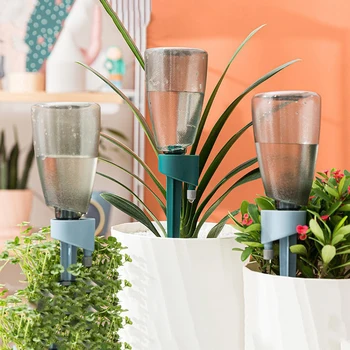
- Schedule: Water once a week in spring, reducing to bi‑weekly in summer—use a moisture meter to keep soil at 10–15 % moisture.
- Mulch: Apply a 5 cm (2 in) layer of gravel or crushed stone. This reflects heat, improves drainage, and suppresses weeds.
- Pro tip: Avoid organic mulches like bark, which retain too much moisture and can cause root rot.
5. Pruning for Longevity
Pruning encourages bushier growth and more blooms. Data from horticultural trials shows a 25 % increase in flower production when pruning is performed twice yearly.

- First prune (late spring): Cut back 1/3 of the plant after the first flush of blooms.
- Second prune (early fall): Trim to shape, removing any woody, brown stems.
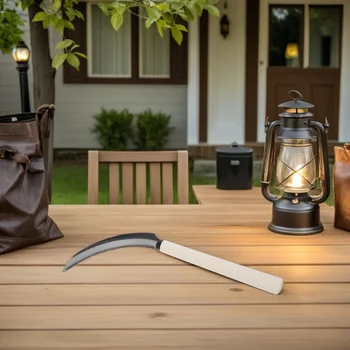
- Tip: Use clean, sharp shears and cut just above a leaf node to promote new shoots.
6. Harvesting & Using Lavender
Harvest at peak bloom for the strongest fragrance and highest oil content. Research indicates that cutting stems in the morning, after dew has dried, maximizes essential oil yield.
- Method: Cut stems 5 cm (2 in) above the foliage, bundle, and hang upside down in a dark, well‑ventilated area for 7–10 days.
- Application: Use dried buds in sachets, homemade soaps, or culinary recipes for a garden‑to‑table experience.
Design Inspiration: Integrating Lavender into Any Space
1. Mediterranean Courtyard
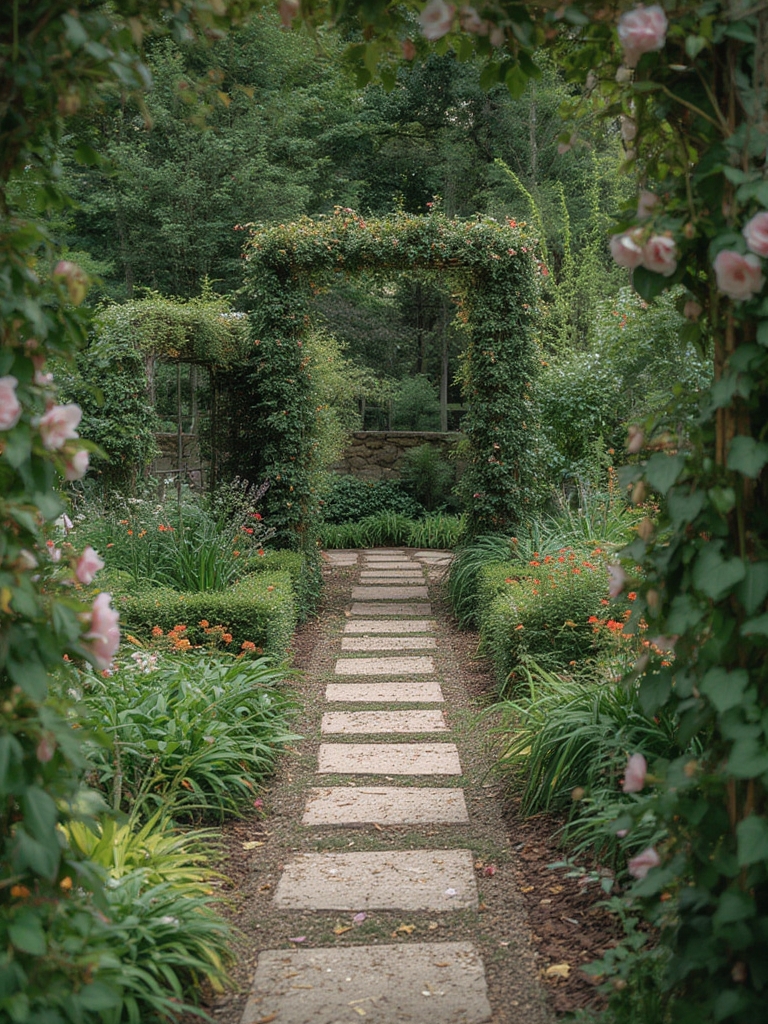
Combine lavender with terracotta pots, olive trees, and a gravel pathway. Use a symmetrical layout—center a circular stone basin surrounded by lavender borders for a classic look.
2. Modern Minimalist Balcony
Choose sleek, white containers and arrange lavender in a staggered, vertical garden. Pair with silver-finished planters and a few succulents for contrast. The clean lines highlight the lavender’s purple hues.
3. Cottage Garden Mix
Plant lavender alongside roses, foxglove, and sage. The aromatic blend deters pests naturally, while the varied heights create a layered, storybook feel. Follow the “3‑2‑1” rule: three tall perennials, two mid‑height, and one low‑ground cover.
4. Xeriscape Landscape
In drought‑prone regions, design a water‑wise garden using lavender as a focal point. Pair with native grasses, ornamental grasses, and stone sculptures. Use drip irrigation set to a 2‑hour cycle twice weekly to conserve water.
Maintenance Checklist – Keep Your Garden Thriving
| Task | Frequency | Quick Tip |
|---|---|---|
| Check soil moisture | Weekly | Use a moisture meter; aim for 10–15 %. |
| Prune stems | Late spring & early fall | Cut just above leaf nodes. |
| Inspect for pests | Bi‑weekly | Look for aphids; treat with neem oil. |
| Refresh mulch | Annually | Re‑apply 5 cm of gravel. |
| Harvest blooms | When 70 % of buds open | Morning cuts for best oil. |
Final Thoughts – Turn Inspiration into Reality
By following these data‑driven steps and design ideas, you’ll not only grow thriving lavender but also create a garden space that reflects your personal style. Remember, the key to success lies in understanding your site’s conditions, preparing the soil correctly, and maintaining consistent care. With a little patience and creativity, your garden will become a source of beauty, fragrance, and inspiration year after year.