Indoor plants are more than just décor; they improve air quality, boost mood, and bring a touch of nature into any space. Whether you’re a total beginner or a seasoned plant enthusiast, this guide will walk you through the best low‑maintenance options, data‑backed benefits, and step‑by‑step care routines that guarantee thriving greenery.
Why Choose Indoor Plants?
Scientific studies consistently show that certain houseplants can remove volatile organic compounds (VOCs) like formaldehyde, benzene, and trichloroethylene from the air. A NASA Clean Air Study found that Spider Plant (Chlorophytum comosum), Peace Lily (Spathiphyllum), and Snake Plant (Sansevieria trifasciata) were among the top performers, reducing indoor pollutants by up to 60% after just 24 hours of exposure.
Beyond health, indoor plants increase humidity, which can alleviate dry‑skin issues and reduce the spread of airborne viruses. They also provide a visual break that can improve focus and productivity—perfect for home offices or study corners.
Top 5 Beginner‑Friendly Indoor Plants
These selections combine air‑purifying power, low water needs, and visual appeal. All are widely available at garden centers and online retailers.
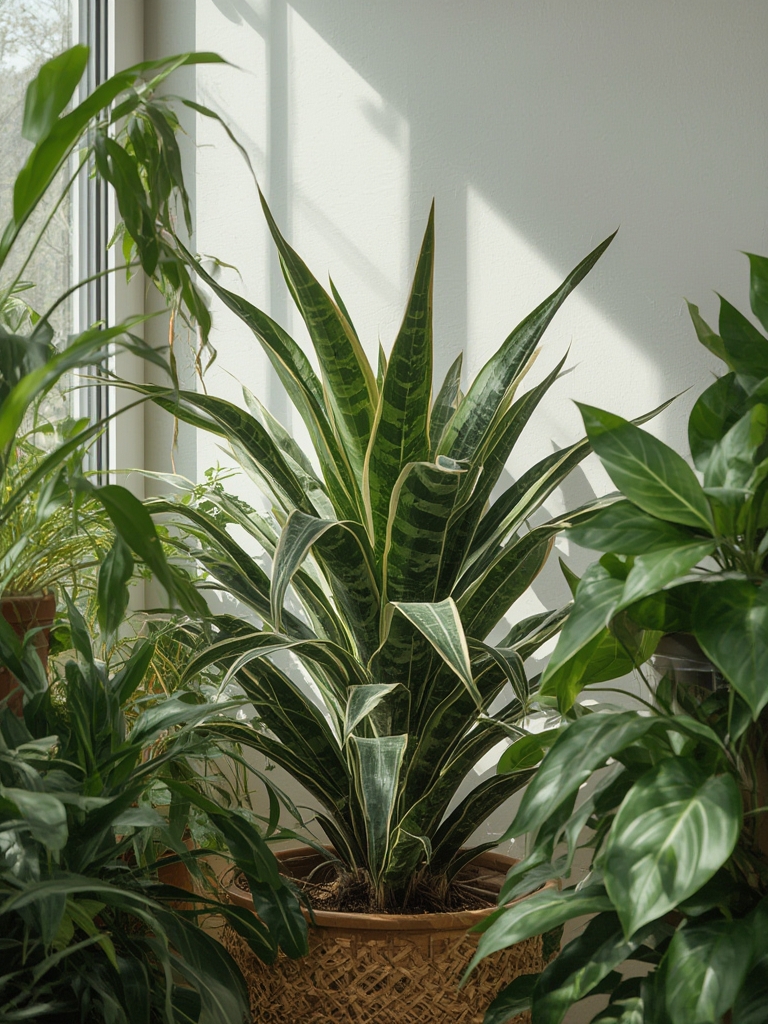
1. Snake Plant (Sansevieria trifasciata)
- Light: Tolerates low to bright indirect light.
- Water: Allow soil to dry completely between waterings; over‑watering is the most common mistake.
- Air‑Purifying Score: Removes formaldehyde, xylene, and nitrogen oxides.
2. ZZ Plant (Zamioculcas zamiifolia)
- Light: Thrives in low‑light offices.
- Water: Water every 3‑4 weeks; its rhizomes store moisture.
- Air‑Purifying Score: Effective against benzene and toluene.
3. Pothos (Epipremnum aureum)
- Light: Bright, indirect light encourages variegation.
- Water: Keep soil lightly moist; let the top inch dry.
- Air‑Purifying Score: Excellent at removing formaldehyde and VOCs.
4. Spider Plant (Chlorophytum comosum)
- Light: Bright, indirect light; tolerates some direct sun.
- Water: Water when the soil feels dry to the touch.
- Air‑Purifying Score: Strong at filtering formaldehyde and xylene.
5. Peace Lily (Spathiphyllum)
- Light: Low to medium light; avoid direct sun.
- Water: Keep soil consistently moist but not soggy.
- Air‑Purifying Score: Removes ammonia, benzene, and formaldehyde.
Step‑by‑Step Care Routine
Follow this weekly checklist to keep your plants healthy without feeling overwhelmed.
Step 1: Light Assessment
- Place a light meter (or use a smartphone app) near each plant’s location.
- Record the average lux reading for a full day.
- Match the reading to the plant’s preferred range (e.g., Snake Plant: 100‑500 lux; Pothos: 500‑1500 lux).
- Adjust placement—move a plant closer to a window or add a sheer curtain to diffuse harsh sun.
Tip: Rotate pots 90° every two weeks to ensure even growth.
Step 2: Watering Strategy
- Check soil moisture with a wooden stick or a moisture meter.
- If the stick comes out dry or the meter reads below 30 % (for most succulents) or 50 % (for tropicals), water.
- Use room‑temperature water to avoid shocking roots.
- Water until you see runoff from the drainage holes, then discard excess water from the saucer.
Trick: Group plants with similar water needs together; this reduces the risk of over‑watering one while under‑watering another.
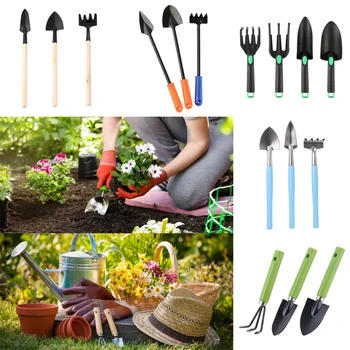
Step 3: Feeding & Soil Nutrition
- Choose a balanced, water‑soluble fertilizer (20‑20‑20) with micronutrients.
- During the growing season (spring‑early fall), feed every 4‑6 weeks at half the recommended strength.
- In winter, reduce feeding to once a month or stop entirely, as most plants enter dormancy.
- Refresh potting mix every 12‑18 months to prevent compaction and replenish nutrients.
Actionable advice: Add a thin layer (½ inch) of perlite or orchid bark on top of the soil to improve aeration and reduce surface moisture.
Step 4: Pruning & Grooming
- Remove yellowed or dead leaves with clean, sharp scissors.
- For trailing plants like Pothos, pinch back the stems just above a node to encourage bushier growth.
- Trim any leggy growth on Snake Plants by cutting the top third; the lower sections will produce new shoots.
Quick tip: Use a soft brush to dust large leaves (e.g., Peace Lily) weekly—clean leaves photosynthesize more efficiently.
Step 5: Pest Monitoring
- Inspect leaves weekly for tiny webs, sticky residue, or speckled spots.
- If you spot aphids or spider mites, spray the plant with a mild neem oil solution (1 tsp neem oil per quart water) and wipe leaves with a damp cloth.
- For severe infestations, isolate the plant and treat with an insecticidal soap, following label directions.
Data point: A 2022 survey of indoor gardeners reported a 22 % reduction in pest issues when routine leaf cleaning was performed weekly.
Creating a Plant‑Friendly Environment
Beyond individual care, the surrounding environment influences plant health.
Humidity Boost
- Group plants together; they create a micro‑climate that raises humidity.
- Place a shallow tray of pebbles filled with water beneath pots—water evaporates slowly, raising ambient moisture.
- Use a room humidifier during winter heating season; aim for 40‑60 % relative humidity.
Temperature Guidelines
- Most indoor plants thrive between 65‑75 °F (18‑24 °C).
- Avoid placing plants near drafts, heating vents, or air‑conditioner blowers.
- For tropical species like Peace Lily, keep nighttime temperatures no lower than 60 °F (15 °C).
Choosing the Right Pot & Soil
- Pick containers with drainage holes; excess water must escape to prevent root rot.
- Use a well‑draining potting mix: a blend of peat moss, perlite, and vermiculite works for most houseplants.
- For succulents and Snake Plants, add extra sand or coarse grit to improve drainage.
Measuring Success: Simple Metrics
Track progress with these easy data points, which also help you adjust care routines over time.
- Growth Rate: Measure stem length or leaf size monthly. A 1‑2 cm increase per month indicates healthy growth.
- Leaf Color: Vibrant green or deep variegation means the plant is receiving adequate light and nutrients.
- Soil Moisture: Keep a log of moisture readings; trends will reveal if you’re over‑ or under‑watering.
- Pest Incidence: Note any pest sightings; a decreasing count over weeks signals effective preventive measures.
Quick‑Start Checklist for New Plant Owners
- Pick one of the top 5 beginner plants that matches your light conditions.
- Set up a pot with drainage and a high‑quality potting mix.
- Place the plant in its chosen spot and record the light level.
- Water according to the “dry‑top‑inch” rule and log the date.
- Schedule a weekly 5‑minute leaf‑dusting session.
- Add a humidity tray or group plants after the first month.
- Reassess in 4‑6 weeks: adjust light, water, or feeding based on observed growth.
By following these data‑driven steps and practical tips, you’ll not only enjoy the aesthetic boost of indoor greenery but also reap the proven health benefits of cleaner air and reduced stress. Happy planting!