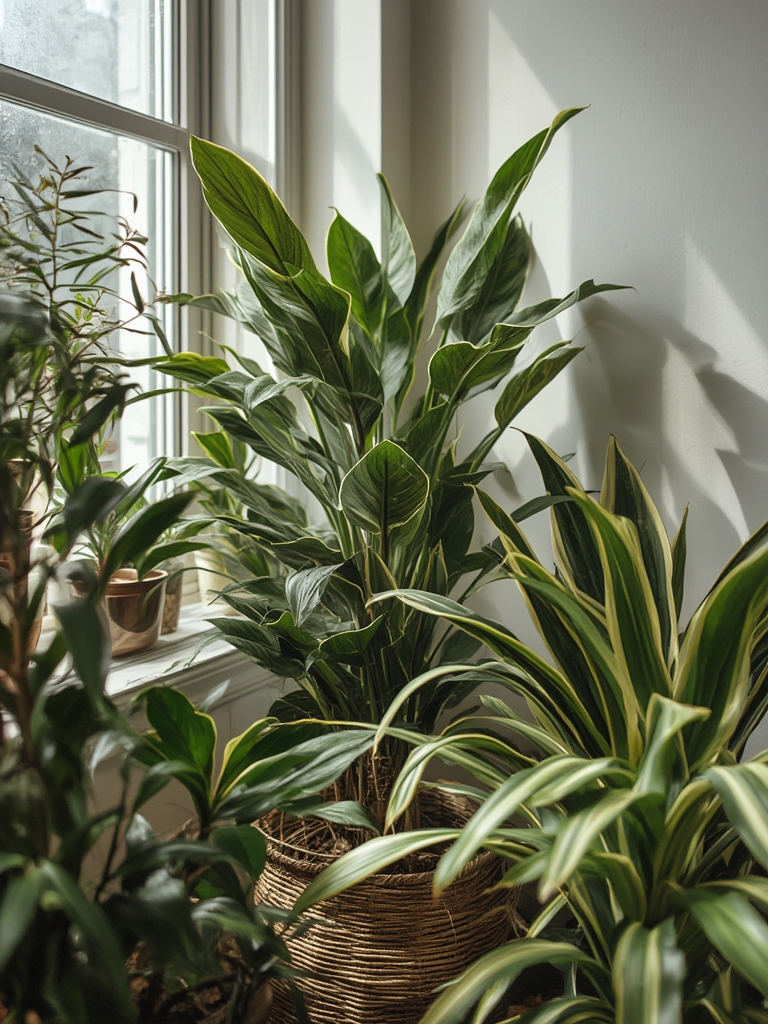
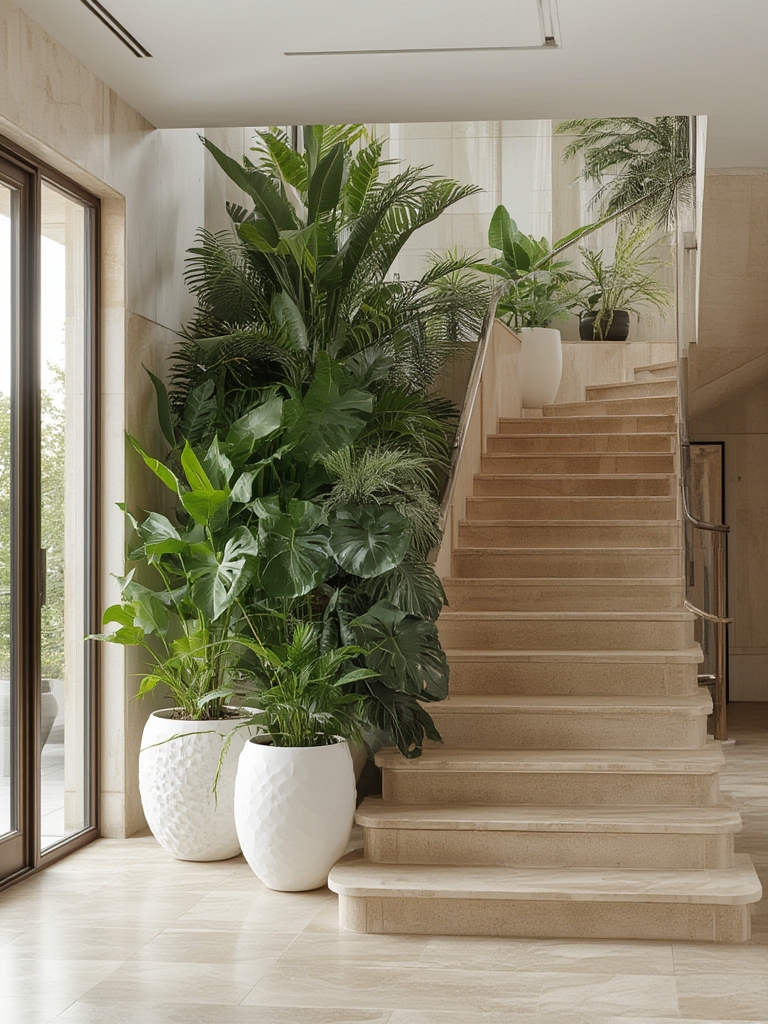
Indoor plants are more than just decorative accents – they boost air quality, reduce stress, and add a touch of nature to any space. Whether you’re a first‑time plant parent or a seasoned green thumb, this guide breaks down the science‑backed benefits, the top air‑purifying varieties, and a step‑by‑step care routine that turns a wilted leaf into a thriving centerpiece.
Why Choose Indoor Plants for Clean Air and Décor?
Research from NASA’s Clean Air Study shows that certain houseplants can remove up to 87 % of common indoor pollutants such as formaldehyde, benzene, and trichloroethylene. In addition, a 2023 meta‑analysis found that having greenery in the home can lower cortisol levels by 15 % and improve focus by 12 %.
From a design perspective, plants add texture, color, and depth without the need for costly furnishings. Their natural shapes complement modern minimalism, boho chic, and even industrial interiors, making them versatile décor elements for any style.
Top 5 Beginner‑Friendly Indoor Plants for Air Purification
1. Snake Plant (Sansevieria trifasciata)
- Air‑purifying power: Removes formaldehyde, xylene, and nitrogen oxides.
- Light needs: Tolerates low light; bright indirect light accelerates growth.
- Water schedule: Water every 3‑4 weeks; let the soil dry completely between waterings.
2. ZZ Plant (Zamioculcas zamiifolia)
- Air‑purifying power: Effective against toluene and xylene.
- Light needs: Low to medium indirect light; avoid direct sun.
- Water schedule: Water once a month; over‑watering is the most common mistake.
3. Spider Plant (Chlorophytum comosum)
- Air‑purifying power: Excellent at removing formaldehyde and carbon monoxide.
- Light needs: Bright, filtered light; can tolerate moderate shade.
- Water schedule: Keep soil evenly moist; mist leaves weekly for humidity.
4. Peace Lily (Spathiphyllum spp.)
- Air‑purifying power: Targets benzene, formaldehyde, and trichloroethylene.
- Light needs: Low to medium light; avoid direct sunlight which burns leaves.
- Water schedule: Water when the top inch of soil feels dry; thrives in higher humidity.
5. Pothos (Epipremnum aureum)
- Air‑purifying power: Removes formaldehyde, benzene, and xylene.
- Light needs: Low to bright indirect light; variegated varieties need more light to maintain color.
- Water schedule: Water every 1‑2 weeks; let soil dry out between waterings.
Step‑by‑Step Care Routine for Success
Step 1: Choose the Right Pot and Soil
Use a pot with drainage holes to prevent root rot. For most indoor plants, a well‑draining potting mix (e.g., peat‑based blend with perlite) works best. If you’re growing a succulent or cactus, add extra sand or grit for extra drainage.
Actionable tip: Place a thin layer of broken pottery shards at the bottom of the pot before adding soil – this improves drainage and reduces the risk of waterlogging.
Step 2: Position for Optimal Light
Measure the light intensity with a smartphone lux app or a simple DIY test: hold a white sheet of paper near the plant; if the paper shows a faint shadow, the light is moderate; a sharp shadow indicates bright light.
Actionable tip: Rotate the pot 90° every two weeks. This prevents one side from becoming leggy and ensures even growth.

Step 3: Water Wisely
Over‑watering is the #1 cause of indoor plant failure. Use the “finger test” – insert your index finger 1‑2 cm into the soil; if it feels dry, water thoroughly until it drains out the bottom.
Actionable tip: Keep a small moisture meter in the kitchen. It’s a cheap tool that provides objective data, especially useful for beginners.
Step 4: Feed with Balanced Fertilizer
During the growing season (spring‑early fall), apply a balanced 20‑20‑20 liquid fertilizer at half the recommended strength every 4‑6 weeks. Reduce feeding in winter when growth naturally slows.
Actionable tip: Mix fertilizer with rainwater or distilled water to avoid chlorine buildup, which can stress roots.
Step 5: Manage Humidity and Airflow
Most tropical indoor plants thrive at 40‑60 % relative humidity. Use a hygrometer to monitor levels. If humidity is low, group plants together or place a pebble tray filled with water beneath the pot.
Actionable tip: A simple misting bottle can raise humidity temporarily, but avoid over‑misting which can encourage fungal growth.
Step 6: Prune and Repot When Needed
Trim yellowing or dead leaves to redirect energy to healthy growth. Repot every 12‑18 months, or when roots outgrow the container (you’ll see roots circling the pot bottom).
Actionable tip: When repotting, gently loosen the root ball and shake off excess old soil. This encourages fresh soil contact and prevents compacted roots.
Quick SEO Checklist for Your Plant Blog Post
- Keyword placement: Include primary keywords (“indoor plants”, “air‑purifying houseplants”, “easy care indoor plants”) in the first 100 words, H2 headings, and the meta description.
- LSI terms: Sprinkle related terms such as “low‑maintenance greenery”, “home décor ideas”, and “benefits of indoor foliage”.
- Internal linking: Link to related posts like “Top 10 Low‑Light Plants” or “DIY Plant Shelf Ideas” to boost dwell time.
- Image optimization: Use descriptive alt text (e.g., “Snake plant in a white ceramic pot on a sunny windowsill”) and compress images for faster page load.
- Readability: Keep sentences under 20 words, use bullet points, and break up text with H3 subheadings for skimmable content.
Final Action Plan: Turn Your Space into a Green Oasis
1. Select one of the five beginner‑friendly plants that matches your light conditions.
2. Set up a pot with drainage and a quality potting mix.
3. Place the plant where you can monitor light, and rotate weekly.
4. Follow the water‑and‑feed schedule using the finger test and a half‑strength fertilizer.
5. Track humidity and prune regularly to keep the plant looking fresh and to maintain air‑purifying performance.
By following these data‑driven steps, you’ll not only enjoy a healthier home environment but also create an Instagram‑worthy backdrop that reflects your personal style. Happy planting!