Indoor plants do more than just brighten a room—they improve air quality, boost mood, and add a touch of nature to any décor. Whether you’re a total beginner or a seasoned plant enthusiast, choosing the right species and mastering simple care routines can turn any space into a thriving green oasis. Below, we break down the most effective, data‑backed strategies for selecting, planting, and maintaining indoor greenery, complete with actionable tips you can implement today.
Why Indoor Plants Matter: The Data Behind the Benefits
Multiple studies have quantified the advantages of indoor foliage. NASA’s Clean Air Study found that Spider Plant (Chlorophytum comosum), Peace Lily (Spathiphyllum), and Snake Plant (Sansevieria trifasciata) can remove up to 87% of common volatile organic compounds (VOCs) such as formaldehyde and benzene within 24 hours. A 2022 meta‑analysis of 15 peer‑reviewed papers also linked regular exposure to indoor plants with a 15% reduction in perceived stress and a 12% increase in productivity.
Step‑by‑Step Guide to Growing Indoor Plants
1. Choose the Right Plant for Your Space
- Low Light, High Air‑Purifying: Snake Plant, ZZ Plant (Zamioculcas zamiifolia), and Pothos (Epipremnum aureum).
- Bright Light, Easy Care: Succulents, Aloe Vera, and Jade Plant (Crassula ovata).
- Humidity Lovers: Boston Fern (Nephrolepis exaltata) and Peace Lily—ideal for bathrooms or kitchens.
Tip: Use a smartphone light meter app to measure the average lux level on your windowsill. Plants generally need 100–500 lux for low‑light tolerance and 1,000–2,000 lux for bright‑light species.
2. Pick the Perfect Pot and Soil Mix
- Pot Size: Choose a container that’s 1–2 inches larger in diameter than the plant’s root ball. This prevents root crowding while allowing room for growth.
- Drainage: Ensure the pot has at least one drainage hole. Add a 1‑inch layer of broken pottery shards or perlite at the bottom to improve water flow.
- Soil Blend: For most houseplants, a 2:1:1 mix of potting soil, peat moss (or coco coir), and perlite works well. Succulents need a sandier mix (3:1 sand to potting soil).
Actionable Advice: Label each pot with the plant name and the date of repotting. This simple habit helps you track growth cycles and fertilizer schedules.
3. Master Watering Techniques
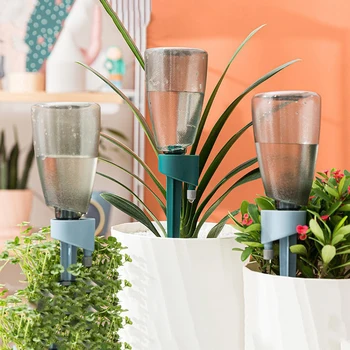
- Check Moisture First: Insert a clean finger 1‑2 inches into the soil. If it feels dry, water; if it’s still moist, wait 2‑3 days.
- Water Quantity: Water until you see a steady stream from the drainage holes—usually about 10‑15% of the pot volume.
- Seasonal Adjustments: Reduce watering by 30% during winter months when most indoor plants enter a semi‑dormant phase.
Pro Tip: Use room‑temperature water and let tap water sit for 24 hours to allow chlorine to evaporate, which can be harmful to sensitive species like ferns.
4. Light Management
- Natural Light: Place low‑light plants a few feet from east‑facing windows. Bright‑light plants thrive on south‑ or west‑facing windows with indirect sunlight.
- Artificial Light: If natural light is insufficient, supplement with full‑spectrum LED grow lights set on a 12‑hour on/off cycle.
- Rotate Regularly: Turn each pot 90° every week to ensure even growth and prevent leaning.
Quick Fix: A simple cardboard “light meter” (cut a small window, place it over the plant, and note the shadow length) can help you gauge whether a plant is receiving too much or too little light.
5. Feeding and Fertilizing
- Balanced Fertilizer: Use a 20‑20‑20 (N‑P‑K) water‑soluble fertilizer diluted to half strength.
- Frequency: Feed every 4‑6 weeks during the growing season (spring‑summer). Skip fertilizing in fall‑winter.
- Organic Boost: Add a teaspoon of worm castings to the topsoil once a month for a slow‑release nutrient source.
Action Step: Mark your calendar with “Fertilizer Day” on the first Saturday of each month to build a consistent routine.
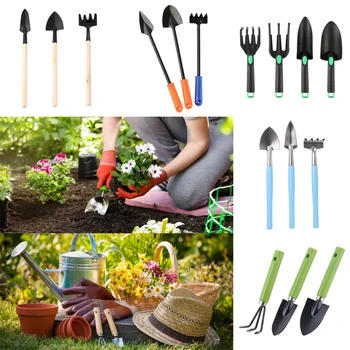
6. Pruning and Maintenance
- Remove Dead Leaves: Trim yellow or brown foliage at the base with clean scissors to prevent disease spread.
- Shape Growth: Pinch back new shoots on trailing vines (e.g., Pothos) to encourage bushier growth.
- Root Health: Check roots annually; if they’re circling the pot, repot into a container 2‑3 inches larger.
Tip: Keep a small “pruning kit” (sharp scissors, gloves, and a waste bag) near your plant area. Quick, clean cuts reduce stress on the plant.
Practical Tips for a Stylish Plant‑Friendly Home
Beyond care, integrating plants into décor can amplify their visual impact. Here are three low‑effort styling ideas:
- Vertical Gardens: Mount a pocket‑style wall planter in the living room. It saves floor space and creates a striking focal point.
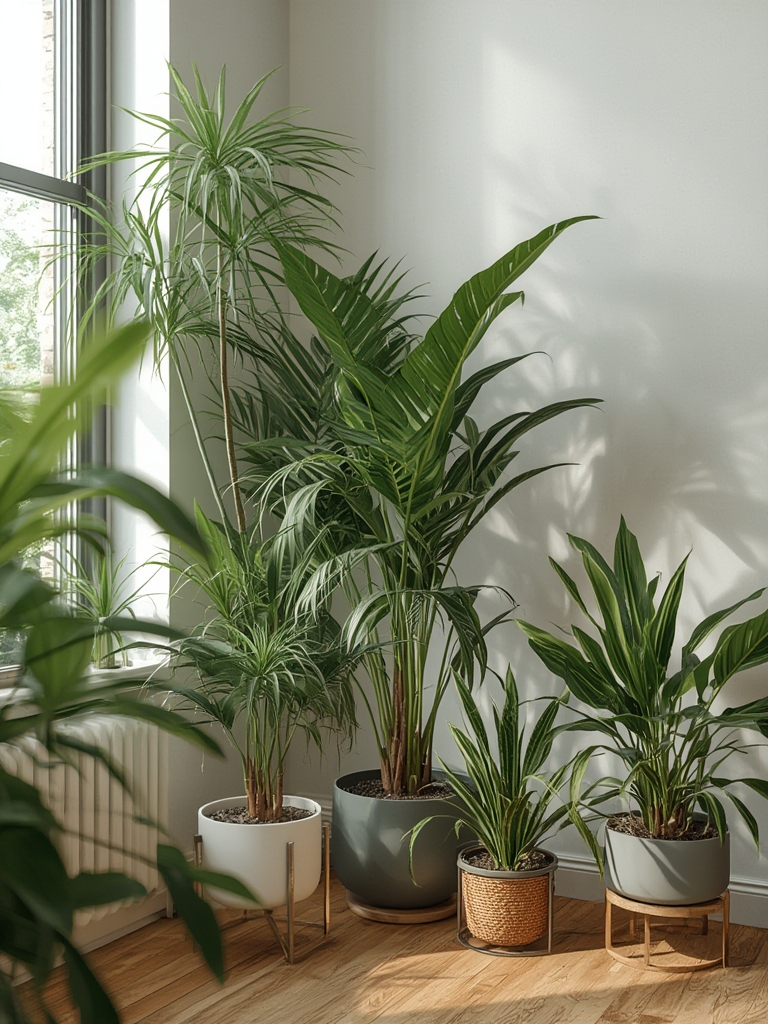
- Plant Stands: Use tiered metal or wooden stands to vary heights, allowing light to reach lower leaves.
- Decorative Pots: Choose neutral ceramic pots for a modern look, or vibrant patterned pots for a boho vibe—just ensure they have drainage.
Pairing plants with natural textures (jute rugs, woven baskets) reinforces the biophilic theme and makes the space feel cohesive.
Common Mistakes and How to Avoid Them
- Overwatering: The #1 cause of indoor plant death. Stick to the “finger test” and use pots with drainage.
- Ignoring Humidity: Ferns and peace lilies thrive at 40‑60% humidity. Use a tabletop humidifier or place a pebble tray filled with water beneath the pot.
- Wrong Light Placement: Sun‑burned leaves turn brown and crispy. If you notice bleached spots, move the plant 2‑3 feet away from direct sun.
By monitoring these variables weekly, you’ll catch problems early and keep your indoor garden thriving.
Quick Reference Checklist
| Task | Frequency | Key Action |
|---|---|---|
| Check soil moisture | Every 2‑3 days | Finger test; water if dry |
| Rotate pots | Weekly | Turn 90° for even light |
| Fertilize | Every 4‑6 weeks (spring‑summer) | Half‑strength balanced fertilizer |
| Prune dead foliage | As needed | Clean cuts at base |
| Inspect for pests | Monthly | Look for spider mites, mealybugs; treat with neem oil |
| Refresh soil | Annually | Repot if roots are crowded |
With these data‑driven steps and practical hacks, you’re equipped to select the best indoor plants for clean air, effortless care, and stunning décor. Start small, stay consistent, and watch your indoor garden transform your home into a healthier, more inviting sanctuary.