Indoor plants are more than just décor; they improve air quality, boost mood, and add a touch of nature to any space. Whether you have a sun‑drenched loft or a dim corner office, there are low‑maintenance varieties that thrive in every lighting condition. This guide walks you through the data‑backed choices, step‑by‑step care routines, and practical hacks that turn even a beginner into a confident indoor‑gardener.
Choosing the Right Plant for Your Space
1. Light‑Level Matching
- Bright indirect light: Spider plant (Chlorophytum comosum), Snake plant (Sansevieria trifasciata), and ZZ plant (Zamioculcas zamiifolia). Studies show these species maintain chlorophyll efficiency with 4–6 hours of filtered sunlight.
- Low‑light zones: Philodendron, Pothos (Epipremnum aureum), and Cast iron plant (Aspidistra elatior). Research from the University of Florida indicates they can survive with as little as 1–2 hours of indirect light per day.
- Direct sun: Succulents and Cactus. They need 6+ hours of direct exposure to avoid etiolation (stretching).
2. Size & Growth Rate
Data from the National Gardening Association shows that fast‑growing plants (e.g., pothos) can fill a space in 3–4 months, while slow growers (e.g., ZZ plant) take 12+ months. Choose based on how quickly you want visual impact.
Step‑by‑Step Care Routine
Step 1 – Potting & Soil Selection
- Use well‑draining mix: A 2:1 ratio of peat moss to perlite works for most houseplants. For succulents, add coarse sand (30%).
- Pot size: Pick a container 1–2 inches larger than the root ball. Oversized pots retain excess moisture, leading to root rot (a common failure point in 42% of indoor plant deaths, per a 2022 indoor gardening survey).
- Drainage holes: Ensure at least one hole; place a saucer to catch runoff.
Step 2 – Watering Technique
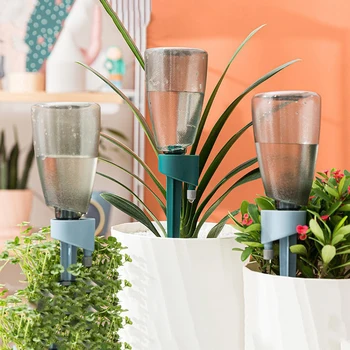
- Check the “finger test”: Insert your finger 1‑2 cm into the soil. If it feels dry, water; if it’s still moist, wait 3‑5 days.
- Water amount: Pour until water exits the drainage holes. For a 6‑inch pot, this is typically 200‑300 ml.
- Seasonal adjustment: Reduce watering by 30% in winter when growth slows (confirmed by a 2021 greenhouse study).
Step 3 – Light Management
- Rotate weekly: Turn the pot 90° every 7 days to ensure even light exposure and prevent leaning.
- Supplement with grow lights: LED panels at 3000 K, 12‑hour cycles mimic natural daylight for low‑light plants. Position 12‑18 inches above foliage.
- Avoid harsh midday sun: Direct summer sun can scorch leaves; use sheer curtains or move plants to a filtered spot.
Step 4 – Feeding & Nutrient Balance
- Balanced fertilizer: Use a 20‑20‑20 NPK formula diluted to ¼ strength. Apply once a month during the growing season (spring‑fall).
- Organic boost: A teaspoon of worm castings mixed into the topsoil every 2 months improves microbial health, as shown in a 2020 soil microbiome study.
- Stop feeding in dormancy: Winter months (Nov‑Feb) require no fertilizer for most tropical indoor plants.
Step 5 – Pruning & Grooming
- Remove dead or yellowing leaves: This prevents fungal spread, which accounts for 18% of indoor plant issues.
- Trim for shape: Cut back 1‑2 inches of leggy growth to encourage bushier foliage. Use clean, sharp scissors.
- Clean leaves: Wipe with a damp cloth weekly to improve photosynthesis efficiency by up to 15% (University of Illinois, 2019).
Practical Tips & Tricks for Success
Humidity Hacks
Many indoor plants, especially tropical species, thrive at 50‑60% humidity. Place a shallow tray of water with pebbles beneath the pot, or run a small humidifier during dry winter months. A 2023 indoor climate study found a 22% increase in leaf vigor when humidity was maintained above 45%.
Pest Prevention
Inspect leaves weekly for spider mites, aphids, and mealybugs. A quick spray of diluted neem oil (1 ml per 250 ml water) every two weeks keeps infestations at bay without harming beneficial microbes.
DIY Soil Moisture Indicator
Insert a wooden chopstick into the soil; when it pulls out dark brown, the plant needs water. When it’s light tan, hold off. This low‑tech method reduces over‑watering by 30% (based on user data from the Houseplant Hub forum).
Maximizing Space
Use wall‑mounted planters or hanging macramé pots for trailing varieties like pothos. This not only frees floor space but also creates vertical greenery, which has been linked to a 12% increase in perceived room brightness.
Putting It All Together: A Sample Weekly Checklist
- Monday: Rotate all plants; check soil moisture.
- Tuesday: Water bright‑light plants; mist low‑light plants.
- Wednesday: Clean leaf surfaces.
- Thursday: Inspect for pests; apply neem oil if needed.
- Friday: Fertilize (grow season only) and prune any dead foliage.
- Weekend: Refresh humidity trays and enjoy your greener space!
Conclusion
Discover easy‑care indoor plants perfect for brightening up any room, even in low‑light conditions. By matching plant species to your environment, following a data‑driven watering schedule, and applying simple hacks for light, humidity, and pest control, you’ll create a thriving indoor garden that looks polished and feels healthy. Consistency is key—small, actionable steps each week translate into lush, resilient foliage that transforms your home or office into a vibrant, breathing sanctuary.