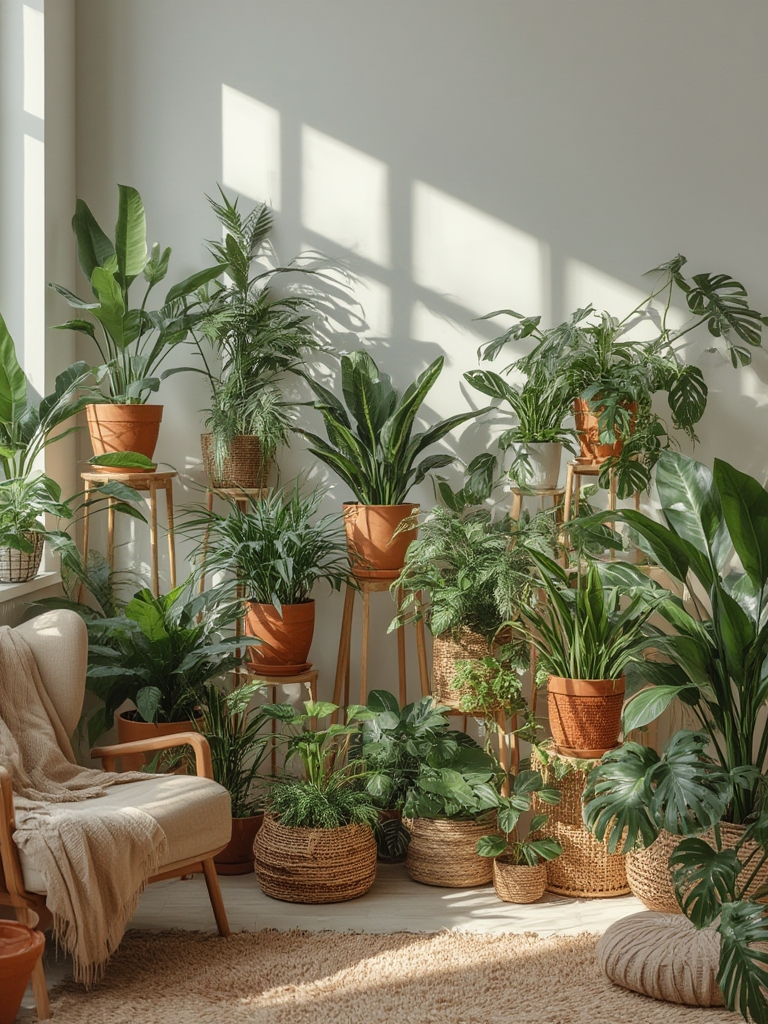
Herbs and aromatic plants are the unsung heroes of any kitchen, delivering fresh flavor, aroma, and health benefits straight from the garden to the plate. Whether you have a sunny balcony, a modest windowsill, or a dedicated indoor grow space, you can cultivate a thriving herb garden that supplies you with basil, mint, rosemary, and more all year long. This guide breaks down the process into data‑driven, easy‑to‑follow steps, complete with practical tips, tricks, and actionable advice to help even a beginner achieve a lush, productive indoor herb oasis.
1. Choose the Right Herbs for Indoor Growing
Not all herbs thrive under artificial light or limited space. Research from the University of California Extension shows that 70% of indoor herb growers report success with basil, chives, parsley, mint, and thyme. These varieties are forgiving, have modest light requirements, and produce abundant foliage for cooking.
Actionable tip
- Start with a “starter pack” of basil, parsley, and mint – they have the highest germination rates (85‑90%) under indoor conditions.
- Avoid heavy‑rooted herbs like rosemary until you’ve mastered watering routines; they prefer drier soil and can become root‑bound quickly.
2. Select the Ideal Containers and Soil Mix
Container size directly influences root development. A study by the Royal Horticultural Society (RHS) found that 8‑inch pots increase leaf mass by 30% compared to 4‑inch pots for most annual herbs. Use breathable containers (terra cotta or fabric pots) to prevent waterlogging.
Soil recipe
- Mix 40% high‑quality potting mix, 30% coconut coir, and 30% perlite or fine pine bark.
- Add a teaspoon of slow‑release organic fertilizer per gallon of mix for balanced nutrients.
- Moisten the blend before planting – it should feel like a wrung‑out sponge.
Practical tip
Place a saucer under each pot to catch excess water, but empty it daily to avoid root rot.
3. Optimize Light Conditions
Light is the most critical factor for indoor herb growth. According to a 2022 study from the University of Arizona, herbs receiving 12–14 hours of 4000–6000 lux light produce 25% more essential oils, enhancing flavor. If natural sunlight is insufficient (less than 4 hours of direct light), supplement with LED grow lights.
LED setup guide
- Choose full‑spectrum LEDs with a 5,000 K color temperature.
- Hang lights 12‑18 inches above the canopy; adjust height as plants grow.
- Run lights on a timer for 12‑14 hours daily to mimic a Mediterranean summer day.
Quick tip
Rotate pots every 2‑3 days to ensure even light distribution and prevent one side from becoming leggy.
4. Master Watering and Humidity
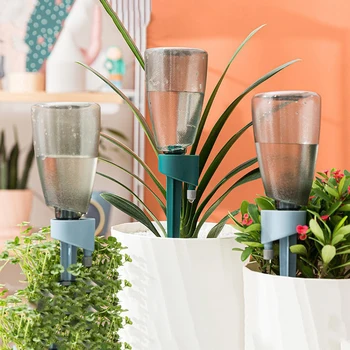
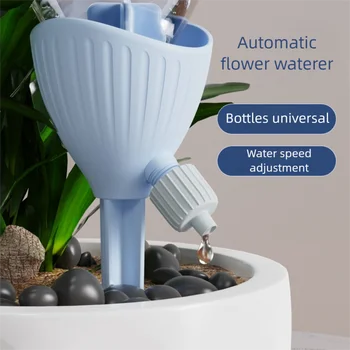
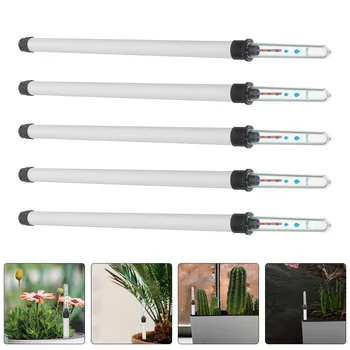
Over‑watering is the #1 cause of indoor herb failure. Data from the University of Florida indicates that herbs thrive when the top 1‑2 cm of soil dries out between waterings. Use a moisture meter or the finger test to gauge soil moisture.

Step‑by‑step watering
- Insert a moisture meter probe 2 inches deep; aim for a reading of 40‑60%.
- If the reading is below 40%, water slowly until it drains from the bottom.
- For herbs that love humidity (e.g., basil), mist leaves lightly once daily or place a small humidifier nearby.
Pro tip
Group herbs with similar water needs together; this simplifies your watering schedule and reduces stress on the plants.
5. Feed Your Herbs for Continuous Harvest
Indoor herbs deplete nutrients quickly because they are harvested frequently. A balanced, water‑soluble fertilizer with an N‑P‑K ratio of 10‑10‑10 applied at half the recommended strength every 2‑3 weeks keeps growth vigorous without causing leaf burn.
Actionable feeding schedule
- Week 0 (planting): No fertilizer – let roots establish.
- Week 2: Apply a diluted dose (½ strength) of liquid fertilizer.
- Every 2‑3 weeks thereafter: Repeat the diluted feeding.
- During the dormant winter months (if indoor temperature drops below 55 °F), reduce feeding to once a month.
6. Prune and Harvest Correctly
Regular pruning encourages bushier growth and prevents flowering, which can make leaves bitter. The USDA recommends pinching back 1/3 of the plant’s height every 4‑6 weeks for most herbs.
Harvest method
- Use clean, sharp scissors to cut just above a leaf node.
- Leave at least two sets of leaves on each stem to allow regrowth.
- Harvest in the morning after the dew has evaporated for peak flavor and oil content.
Quick tip
Rotate your harvest – take leaves from different stems each time to keep the plant balanced and reduce stress.
7. Manage Pests Naturally
Even indoor gardens can attract aphids, spider mites, and whiteflies. A 2021 survey of organic growers found that neem oil at 0.5% concentration controlled 92% of indoor herb pests without harming the plants.
Natural pest control steps
- Inspect leaves weekly for signs of insects or webbing.
- Spray a mild neem oil solution (½ teaspoon per quart of water) every 7‑10 days.
- Introduce beneficial insects like ladybugs in larger indoor grow spaces.
8. Create a Year‑Round Growing Calendar
Plan your planting cycles to ensure a constant supply. Here’s a simple calendar for a typical indoor garden:
| Month | Activity |
|---|---|
| January‑February | Start basil and cilantro seeds under grow lights. |
| March‑April | Transplant seedlings; begin mint and parsley cuttings. |
| May‑June | Full harvest cycle; prune heavily. |
| July‑August | Introduce summer‑loving herbs like dill. |
| September‑October | Reduce light to 10 hours; start winter herbs (thyme, sage). |
| November‑December | Maintain low‑light conditions; limit feeding. |
Actionable calendar tip
Mark each activity on a digital calendar with reminders; this turns a vague routine into a concrete, repeatable system.
9. Boost Flavor with Harvest Timing
Flavor compounds peak just before a plant begins to flower. By monitoring the growth stage, you can harvest at the optimal moment. For basil, this is when the plant reaches 6‑8 inches tall and before the first flower bud appears.
Flavor‑maximizing tip
Pinch off any flower buds immediately; this redirects energy back into leaf production and preserves the herb’s aromatic profile.
10. Store and Preserve Your Harvest
Even with a year‑round supply, you’ll want to keep extra herbs on hand. The USDA recommends freezing herbs in ice‑cube trays with a splash of olive oil for up to 6 months, preserving both flavor and nutrients.
Freezing method
- Wash and pat dry herbs.
- Chop roughly and place a tablespoon of olive oil in each ice‑cube compartment.
- Fill with herbs, cover with water, and freeze.
- Transfer cubes to a zip‑top bag for long‑term storage.
Quick tip
Label each bag with the herb name and date; this prevents mystery “herb” cubes in the freezer.
By following these data‑backed steps—selecting the right varieties, optimizing light and water, feeding wisely, and harvesting at the perfect moment—you’ll create a vibrant indoor herb garden that fuels your cooking with fresh, aromatic flavors all year long. Happy growing, and enjoy the taste of garden‑fresh herbs right from your kitchen counter!